Welcome to Queen Sofía Spanish Institute
Queen Sofía Spanish Institute was founded in 1954
to promote the understanding of Spanish culture, past and present, and its influence
in the Americas through a variety of programs. As the Center for American-Spanish
Affairs, the Institute organizes lectures, symposia, luncheons and dinner meetings
to discuss economic, political and social issues of concern to Spain, the European
Union, Latin America and the United States. The Institute also offers language
instruction and hosts numerous exhibitions and cultural events related to Spain
and Latin America.
Queen Sofía Spanish Institute is located at 684 Park Avenue, a
landmark neo-Federal townhouse designed by McKim, Mead &
White completed in 1927. The building has been home to Queen Sofía Spanish Institute since 1965, when it was donated by Margaret
Rockefeller Strong de Larraín, Marquesa de Cuevas.
Summer Courses and Workshops
Upcoming Exhibitions
-
BALENCIAGA: SPANISH MASTER
Friday, November 19, 2010 - Saturday, February 19, 2011
Balenciaga "Infanta" evening dress, 1939
Copyright, R.J. Horst - Courtesy Staley/Wise Gallery, NYC.
This November, Queen Sofía Spanish Institute will present BALENCIAGA: Spanish Master, the first exhibition to consider the impact of Spain's culture, history and art on one of its greatest twentieth-century sons, the legendary designer Cristóbal Balenciaga (1895-1972). Hailed as "Fashion's Picasso" by Cecil Beaton, Balenciaga's innovations transformed the way women dressed, from the opening of his Paris fashion house in 1937 until his retirement in 1968. His visionary designs and impeccable standards seduced generations of the best-dressed women in the world.
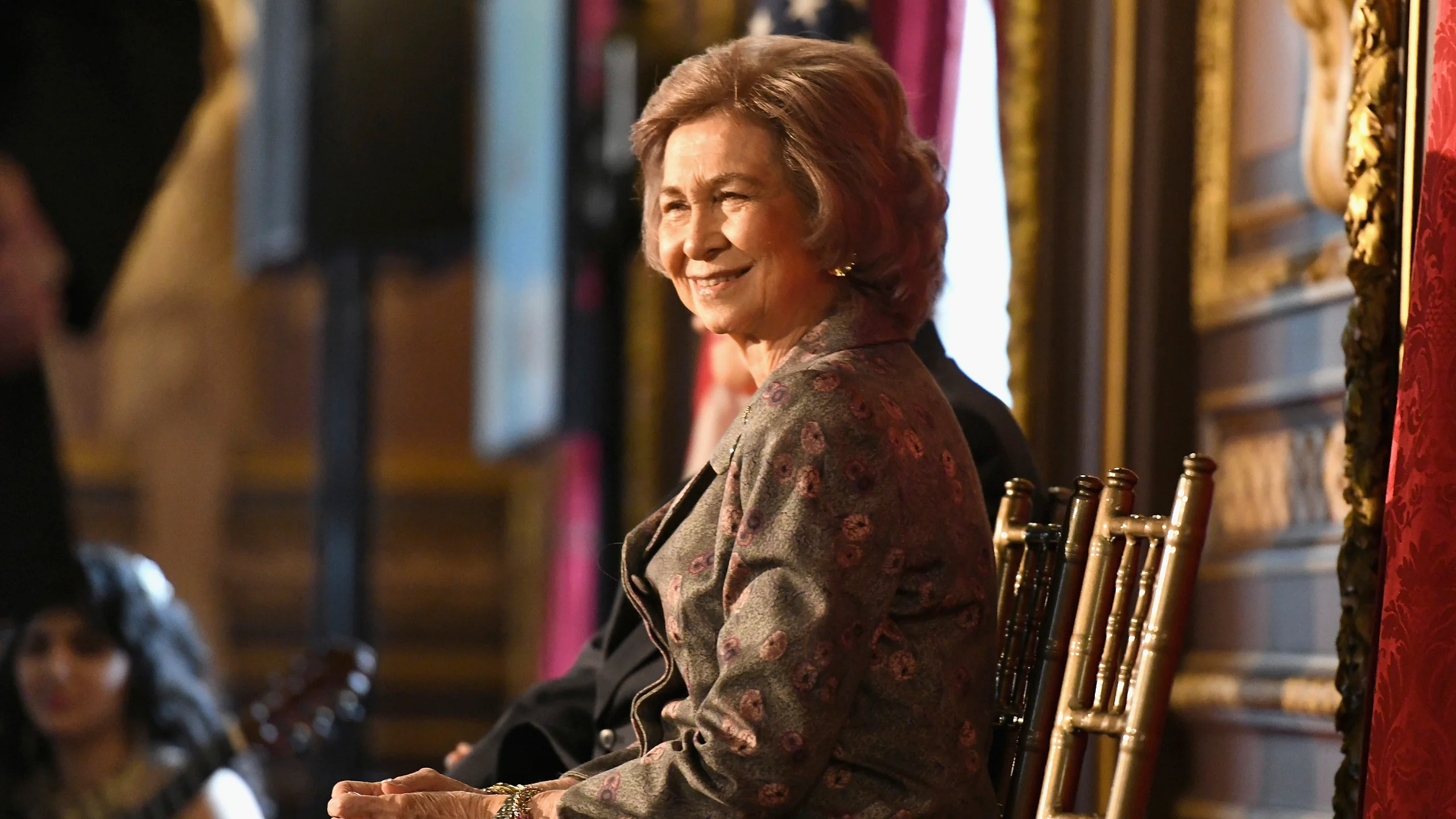
Following its inauguration by Her Majesty Queen Sofía of Spain, BALENCIAGA: Spanish Master will officially open to the public on November 19, 2010 and remain on view through February 19, 2011. The exhibition was conceived by Oscar de la Renta, Chairman of the Institute's Board of Directors, who has worked closely with the exhibition team to develop and realize the show. Mr. de la Renta himself began his career in fashion working in Madrid at Eisa, one of the Spanish branches of Balenciaga's fashion empire.
The exhibition curator is Hamish Bowles, Vogue's European Editor at Large and the curator of the 2001 exhibition Jacqueline Kennedy: The White House Years, which opened at The Metropolitan Museum of Art to widespread critical attention and acclaim, and later traveled to the John F. Kennedy Library and Museum in Boston, The Corcoran Gallery of Art in Washington, the Field Museum in Chicago, and Les Arts décoratifs, musée de la Mode et du Textile in Paris.
Showcasing more than seventy items of Cristóbal Balenciaga clothing and accessories, BALENCIAGA: Spanish Master is the result of an unprecedented collaboration between the House of Balenciaga in Paris and an American institution. Queen Sofia Spanish Institute is indebted to Balenciaga, which has opened up its Archives and whose immense generosity has enabled a unique loan of historically significant Cristóbal Balenciaga garments to the exhibition, in addition to access to the Archives' related materials and iconography. Masterpieces from this highly significant collection include Balenciaga's 1939 "Infanta" gown, and his four-point silk gazar dress of 1967 which illustrates the increasing abstraction and experimentation in his work.
In partnership with the Ministry of Culture of Spain, highlights from the Fundación Cristóbal Balenciaga include the extraordinary embroidered 1957 wedding dress of Sonsoles Díez de Rivera (daughter of Balenciaga's Spanish muse, the Marquesa de Llanzol), which is as splendid as the vestments of a Sevillana Madonna figure.
Additional objects such as matador boleros from 1946 and flamenco-inspired dresses from 1951 and 1961 come from museum and private collections in America and Europe. The material, some of which has never before been exhibited, includes highly significant pieces from The Metropolitan Museum of Art, The Museum at the Fashion Institute of Technology, The Hispanic Society of America, the Philadelphia Museum of Art, the Museum of the City of New York, and the Texas Fashion Collection, as well as Mr. Bowles' own collection and those of leading private couture collectors such as Sandy Schreier. The pieces will consist of garments commissioned and worn by some of the twentieth century's most iconic taste-making women - Pauline de Rothschild, Mona Bismarck, Thelma Chrysler Foy, Doris Duke, and Claudia Heard de Osborne among them.
Related support material will incorporate historical and regional Spanish dress.
The accompanying catalogue - written by Hamish Bowles; published by Rizzoli; and art directed by Alex González, Executive Creative Director of AR New York and former creative director of GQ, German Vogue, and L'Uomo Vogue - will have as its focus the influence of Balenciaga's native country on the designer's creative process and work. The exhibition will be designed by set designer Stefan Beckman, whose prestigious client list includes Marc Jacobs, Alexander McQueen, Cartier, and the Brooklyn Museum of Art.
For Diana Vreeland, Balenciaga's "inspiration came from the bullrings, the flamenco dancers, the loose blouses the fishermen wear, the cool of the cloisters." BALENCIAGA: Spanish Master will consider the influences on his designs of the country's great artists, from Zurbarán and Goya to Picasso, Sorolla and Miró, and of Spain's religious dress and ceremony, its royal history, its rich regional costume, its dance traditions, and the power and splendor of the bullfight.
Significant Spanish works of art and decorative arts will support the curatorial thesis of the exhibition to create a compelling, lively, and dramatic vision of Spain in all its glory, and the work of its most masterful designer.
In March 2011, the exhibition will travel as Balenciaga and Spain to the de Young Museum in San Francisco.
BALENCIAGA: Spanish Master will be accompanied by a series of related public programs including exhibition tours and lectures. To be informed of upcoming events, join the Institute's mailing list.
For further information, press release, and images, please contact press at queensofiasi dot org.
QUEEN SOFÍA SPANISH INSTITUTE TRANSLATION PRIZE
-
CONGRATULATIONS TO INAUGURAL WINNER EDITH GROSSMAN
for her translation of A Manuscript of Ashes by Antonio Muñoz Molina

The Reading Committee of the Inaugural Queen Sofía Spanish Institute Translation Prize has unanimously recommended Edith Grossman to receive the Inaugural Prize for her extraordinary translation of Antonio Muñoz Molina's A Manuscript of Ashes (Houghton-Mifflin Harcourt, 2008; originally published as Beatus Ille in 1986). With the aim of elevating awareness and engendering appreciation of Spanish literature in the United States, this triennial $10,000 prize has been created by the Cultural Committee and Board of Directors of Queen Sofía Spanish Institute to honor the best English-language translation of a work of fiction written in Castilian by a Spanish author and published by an American imprint. The inaugural award celebrates the best translation published between 2006 and 2008, with subsequent awards anticipated in 2012 and 2015.
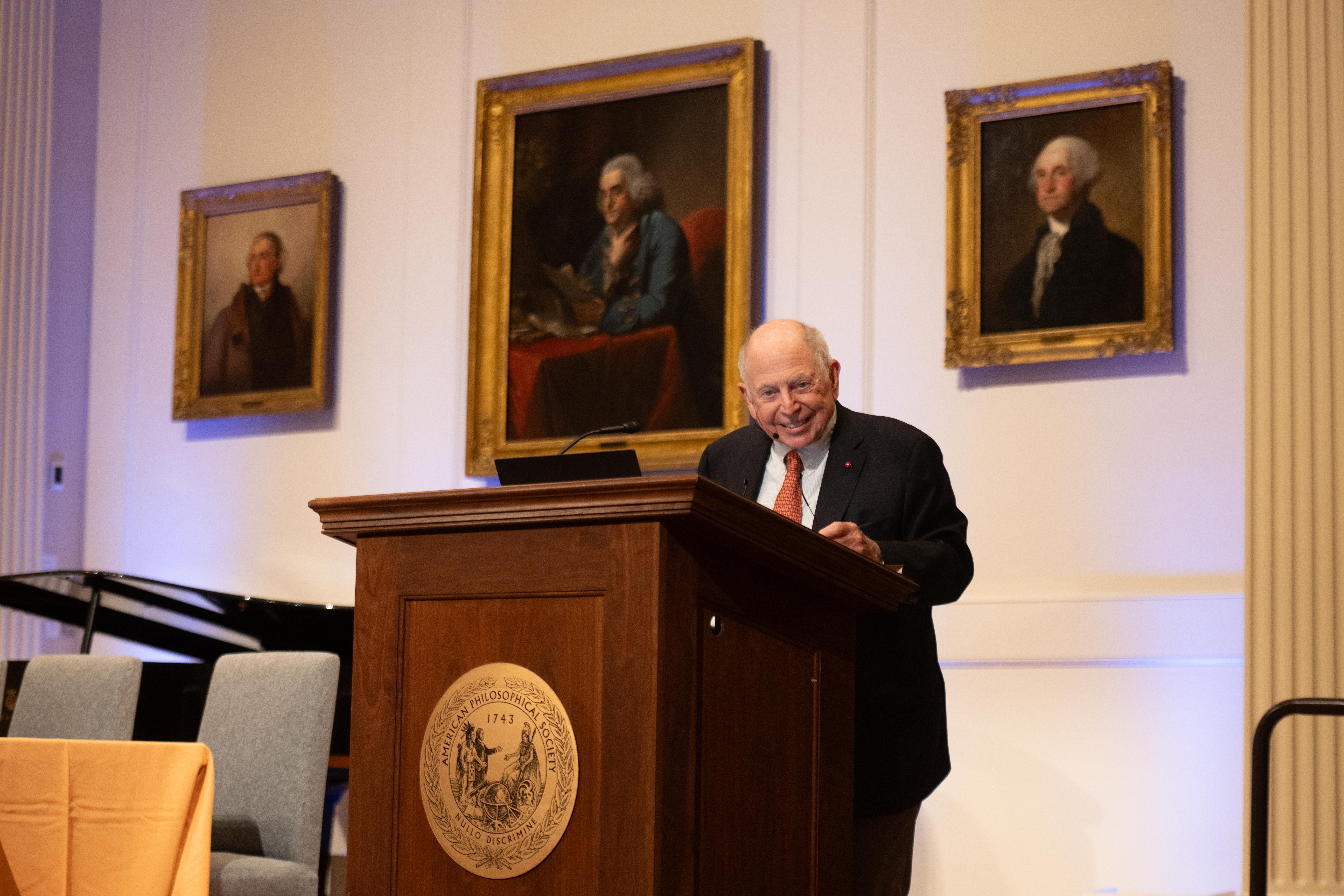
The award ceremony on February 2 was presided by Oscar de la Renta, Chairman of the Institute's Board of Directors, and featured Edith Grossman and Antonio Muñoz Molina in dialogue on the art of writing and translating. Books are still available.
The establishment of the prize has been made possible thanks to the generous support of the Ministry of Culture of Spain, the Spain USA Foundation, and Mrs. Jean van Waveren.
(Full press release)
For more information, or to obtain a book: (212)628-0420 or ebogue@queensofiasi.org.